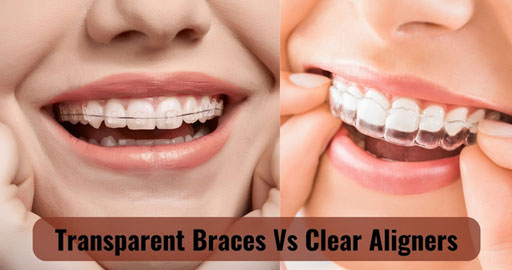
Braces vs Clear Aligners: What You Really Need to Know Before Fixing Your Teeth
Most people think straightening teeth is just about getting a better smile. But the reality is bigger than that.
When your teeth are properly aligned, you chew food more efficiently, which supports better digestion. You speak more clearly. And most importantly, you can clean your teeth properly — reducing your risk of cavities and gum disease over time.
Crooked or crowded teeth create tight spaces where food and bacteria get trapped. These are areas your toothbrush simply cannot reach.
So whether you’re 15 and dealing with crowding, or 50 and finally ready to fix a bite issue, teeth alignment is not just cosmetic. It’s a long-term health decision.
Today, you have two main options: traditional braces and clear aligners. Let’s break them down in simple terms so you can make the right choice.
What Are Traditional Braces?
Braces are the most established method of straightening teeth — used reliably for over 100 years.
They consist of small brackets attached to the front of each tooth, connected by a thin metal wire. This wire is adjusted every few weeks by an orthodontist. Each adjustment applies gentle pressure that gradually moves your teeth into the correct position.
Types of Braces in India:
· Metal braces — the classic silver version; strongest and most affordable
· Ceramic braces — tooth-coloured brackets, less noticeable
· Lingual braces — placed behind the teeth, completely hidden
Treatment Time:
Typically, 1.5 to 3 years, depending on the complexity of your case.
Braces are fixed, which means they work continuously without relying on patient discipline.
What Are Clear Aligners?
Clear aligners are a modern alternative to braces. They are transparent, removable trays custom-made for your teeth using 3D scanning.
You wear a series of trays, each slightly different, that gradually shift your teeth into position.
· Each tray is worn for 1–2 weeks
· Total trays: usually 20 to 50
· Daily wear: 20–22 hours is essential
You remove them only to eat, drink (anything other than water), and brush.
Braces vs. Alligners – Full Comparison
Factor | Braces | Clear Alligners |
Visibility | Metal – clearly visible | Nearly visible |
Removable? | No – foxed to teeth | Yes – removable eat/drink |
Eating Restrictions | Avoid hard/sticky food | No restrictions at all |
Cleanig | Needs special tools | Easy – remove and brush normally |
Best suited for | All cases: mild to severe
| Mild to moderate only |
Pain/Discomfort | Mild soreness after tightening | Mild pressure with each new tray |
Treatment duration | 1.5 – 3 years | 6 months- 2 years |
Discipline needed | Low – works automatically | High -must wear 22hrs/day |
Doctor Visits | Every 4-6 weeks | Every 6-8 weeks |
Popular Aligner Brands in India:
· Invisalign
· toothsi (makeO)
· Illusion Aligners
· MyBracesClinic
Aligners are nearly invisible — but they only work if you wear them consistently.
Braces vs Aligners — Quick Comparison
Braces
· Fixed to teeth
· Works for simple to very complex cases
· More affordable
· No risk of forgetting
· Slightly more visible
Aligners
· Removable
· Best for mild to moderate cases
· More expensive
· Requires strict discipline
· Almost invisible
Cost in India (Approximate)
· Metal braces: 25,000 – 60,000
· Ceramic braces: 40,000 – 80,000
· Clear aligners: 80,000 – 2,50,000
Costs vary based on city, clinic, and case complexity, but braces are generally far more budget-friendly.
When Should You Choose Braces?
Braces are usually the better option if:
· You have complex problems (severe crowding, large gaps, major bite issues)
· You are a child or teenager
· You want a more affordable treatment
· You might forget to wear aligners regularly
· Your orthodontist recommends them
Braces are extremely versatile and can handle almost any type of correction.
When Should You Choose Clear Aligners?
Aligners are a good choice if:
· Your case is mild to moderate
· You want a discreet, nearly invisible treatment
· You are a working professional or student concerned about appearance
· You are disciplined enough to wear them 20–22 hours daily
· You want the freedom to eat anything without restrictions
Aligners offer convenience — but only if you use them properly.
What to Expect During Treatment
No matter which option you choose, some things are common:
· Mild discomfort in the first few days and after adjustments
· Regular dental visits every 4–6 weeks
· Oral hygiene becomes more important than ever
With braces:
· You’ll need to avoid very hard or sticky foods
With aligners:
* You may notice slight speech changes for a few days
All of this is temporary — and part of the process.