Your Gums Are Bleeding. Don’t Ignore It.
Bleeding when you brush? That’s not normal, and it’s easier to fix than you think.
You notice it for the first time while brushing.
A little pink in the sink.
You pause, then ignore it.
“It’s probably because I brushed too hard.”
Maybe. But when it keeps happening every few days, every morning, or even when you’re just eating something crunchy, that’s your mouth trying to tell you something.
And it’s worth listening to
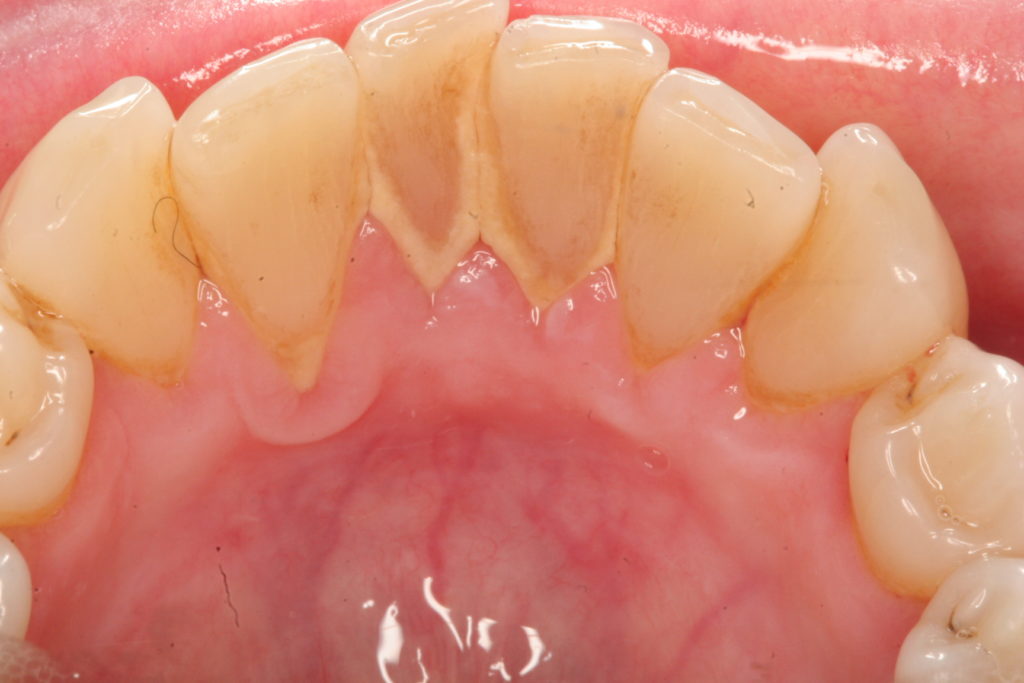
What’s Actually Causing It?The most common reason is something very simple: plaque build-up.
Every day, a thin, sticky layer of bacteria forms on your teeth. If it’s not cleaned properly, it starts irritating your gums.
That’s when your gums become:
- Red
- Slightly swollen
- Sensitive
- And prone to bleeding
This early stage is called gingivitis, which means your gums are inflamed but still completely treatable.
Here’s the good news:
If you catch it early, it can be reversed.
But if you keep ignoring it, it can slowly turn into something more serious where the infection goes deeper, affects the bone, and starts loosening your teeth.
At that point, treatment becomes more complicated.
Other Reasons You Might Notice Bleeding
Not all bleeding is serious, but it should never be ignored if it’s consistent.
Sometimes it happens because:
You’ve just started flossing (your gums are adjusting)
Your body is low on Vitamin C
Hormonal changes (like during pregnancy)
Certain medications (especially blood thinners)
Braces or dentures are irritating your gums
Even then, if it’s happening regularly, it’s worth getting checked once instead of guessing
What You Can Do Right Now
Start small; these changes actually make a difference within a few days:
Use a soft toothbrush and brush gently (not aggressively)
Brush for a full 2 minutes, twice a day
Try to floss once daily, even if it feels uncomfortable at first
Rinse with warm salt water to calm the gums
Cut down on sugar, it feeds the bacteria causing the problem
If you smoke, consider reducing or quitting (it slows gum healing significantly
If it’s early-stage irritation, you should start noticing improvement within 5–7 days.
If you don’t, don’t wait longer.
When You Should See a Dentist
Book a check-up if you notice:
Bleeding almost every day
Gums that look red, swollen, or tender
Bad breath that doesn’t go away
Pain while chewing
Even slight looseness in any tooth
These are early warning signs, and catching them now can save you from much bigger (and more expensive) problems later.
A Simple Check Can Save Your TeethMost people are surprised by this:
The treatment for early gum problems is usually just a professional cleaning, quick, painless, and highly effective.
No complicated procedures.
No long recovery.
Just remove what your toothbrush can’t.
Don’t Wait for It to Get WorseBleeding gums are not “one of those things” you live with.
They’re a sign and one you can act on early.
If you’ve been noticing it for more than a few days, it’s worth getting clarity.
Book a quick check-up and get it sorted before it turns into something serious